Creating a home office that is both cozy and productive can make a significant difference in how you work and feel throughout the day. Whether you are working remotely full-time or occasionally need a quiet place to focus, designing a space that supports your needs will help boost your efficiency and comfort. Here are some helpful tips to guide you in creating the perfect home office environment.
Choose the Right Location
Consider Natural Light
Natural light plays an important role in improving mood and reducing eye strain. Select a spot close to a window if possible. Position your desk so that the light illuminates your workspace without causing glare on your computer screen.
Minimize Distractions
Pick a quiet corner or a less-trafficked room in your home where noise and interruptions are minimized. If you don’t have a dedicated room, consider creating a nook separated by room dividers or curtains.
Prioritize Ergonomics
Invest in a Comfortable Chair
A good office chair supports your back and encourages good posture, which helps prevent discomfort and injury during long work hours. Look for adjustable features that accommodate your body type.
Use an Adjustable Desk
If possible, choose a desk with adjustable height. This allows you to switch between sitting and standing positions, promoting better circulation and reducing fatigue.
Position Your Equipment Properly
Ensure your monitor is at eye level to avoid neck strain. Keep your keyboard and mouse within easy reach, and try to keep your wrists straight while typing.
Create a Cozy Atmosphere
Choose Calming Colors
Soft, neutral tones or pastel colors can create a relaxing atmosphere conducive to focus. Avoid very bright or distracting colors that may cause discomfort or reduce concentration.
Add Personal Touches
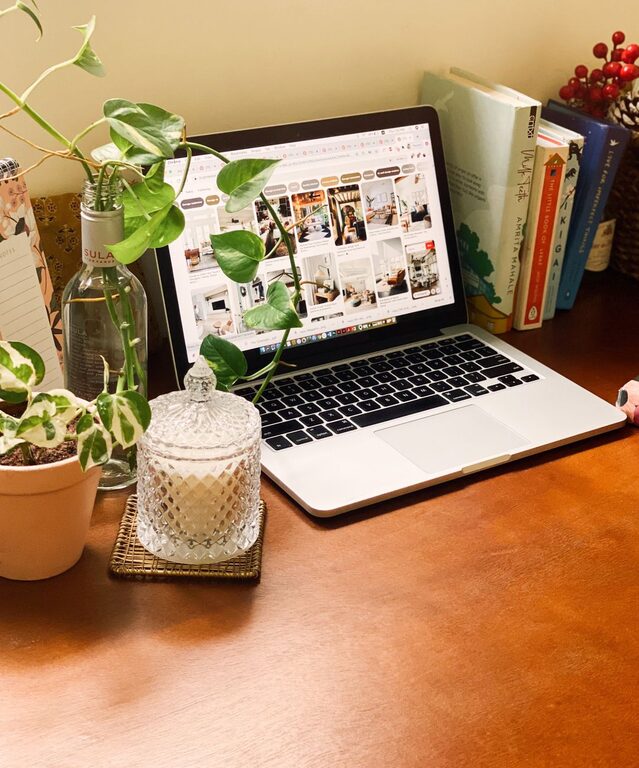
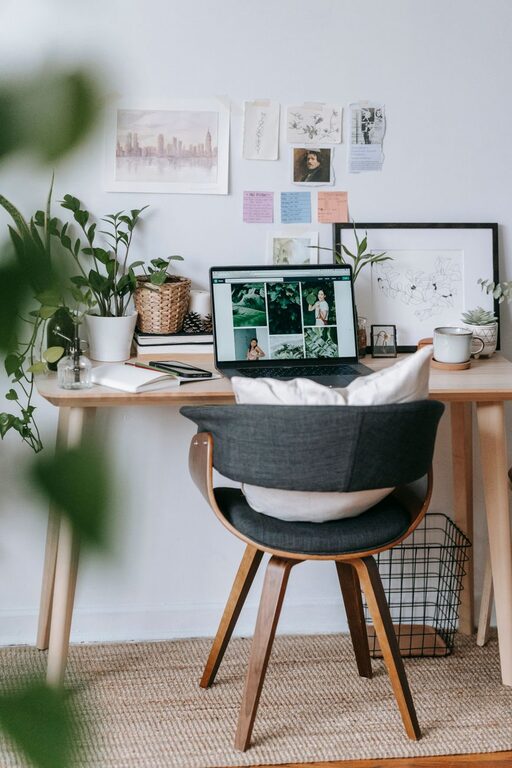
Incorporate items that inspire you, such as plants, artwork, or meaningful photos. These elements add warmth and help make the space feel inviting.
Use Soft Textiles
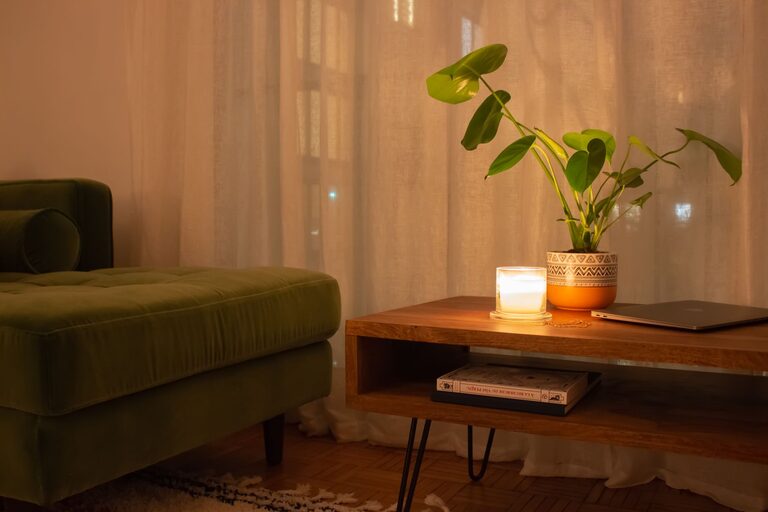
Add a cozy rug, cushions, or a throw blanket to make the space feel comfortable. These small touches soften the environment and can make working feel less clinical.
Organize Efficiently
Declutter Your Desk
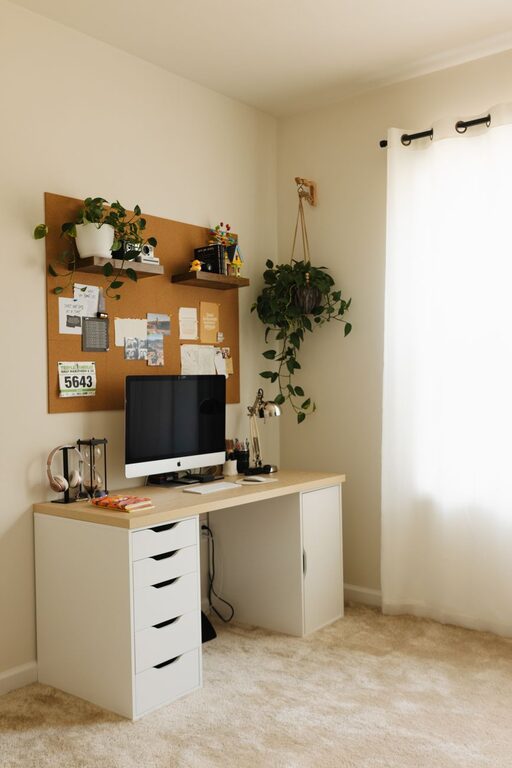
Keep only essential items on your desk to reduce visual distractions. Use cable organizers to manage cords and keep your workspace tidy.
Use Storage Solutions
Incorporate shelves, drawers, or filing cabinets to store supplies and paperwork. Label storage containers to quickly find what you need and maintain order.
Set Up a System for Papers
If you work with physical documents, create an in-and-out tray system or use digital scanning tools to reduce paper clutter.
Optimize Lighting
Combine Natural and Artificial Light
While natural light is ideal, complement it with adjustable desk lamps or overhead lighting. Choose bulbs with daylight or warm white tones for a comfortable working environment.
Avoid Glare and Shadows
Position lights and your monitor to prevent glare on screens and shadows on your work surface.
Manage Noise Levels
Use Noise-Canceling Headphones
If household noise is unavoidable, noise-canceling headphones can help you concentrate and block distractions.
Add Soft Furnishings
Curtains, rugs, and upholstered furniture absorb sound and reduce echo, making the space quieter and more pleasant to work in.
Incorporate Technology Wisely
Reliable Internet Connection
Make sure your workspace has a strong internet connection to avoid disruptions during video calls and file transfers.
Organize Devices
Keep chargers, external drives, and other accessories neatly arranged. Use a docking station for your laptop if you work on multiple devices.
Set Boundaries for Work-Life Balance
Define Work Hours
Create specific start and finish times for your workday to separate professional time from personal time.
Use Visual Cues
Close the door or use a “do not disturb” sign during focused work sessions or meetings to communicate your availability.
Take Breaks
Make your office a place you enjoy spending time in, but remember to step away for breaks and stretch regularly.
—
Designing a home office that balances coziness and productivity is a personal journey. By thoughtfully choosing your location, focusing on comfort and ergonomics, organizing efficiently, and fostering a pleasant atmosphere, you can create a space that supports both your well-being and your work goals. Start small and make adjustments along the way to build a home office that truly works for you.
About the Author