Creating a relaxing home office environment is essential for maintaining focus, reducing stress, and enhancing your overall well-being while working. Whether you’re working remotely full-time or just need a dedicated spot for occasional tasks, having a calm and comfortable workspace can improve productivity and make your workday more enjoyable. Here are practical tips and ideas to help you design a home office that feels inviting and relaxing.
Choose the Right Location
Selecting the right spot for your home office is the first and most important step. Ideally, choose a quiet area that’s separate from high-traffic zones in your home. If possible, pick a space with natural light and good ventilation to keep the atmosphere fresh and uplifting. Avoid cramped corners or spaces cluttered with unrelated household items.
Make Comfort a Priority
Your physical comfort is crucial for long hours at your desk. Invest in a comfortable, ergonomic chair that supports your back properly. A desk at the correct height will help prevent strain in your neck and shoulders. You may also consider adjustable accessories like a footrest or a keyboard tray to optimize your seating posture.
Optimize Lighting for Relaxation and Productivity
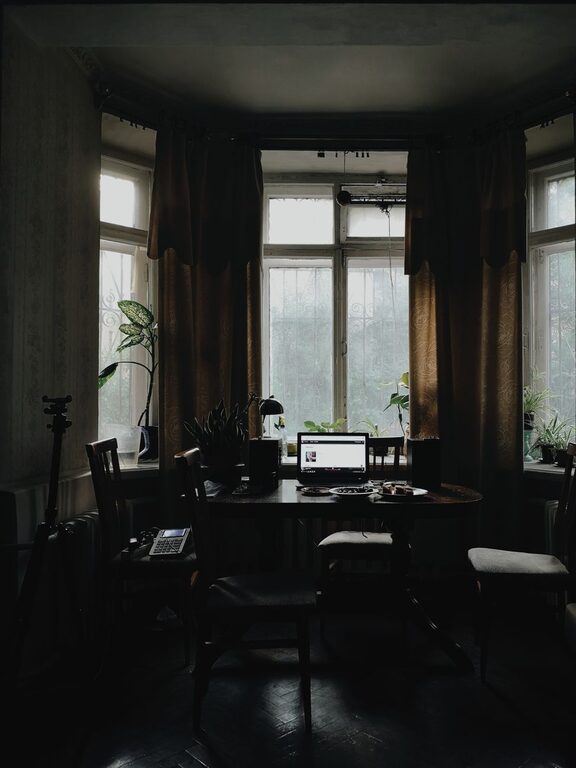
Lighting can have a huge impact on your mood and productivity. Natural daylight is best, so position your desk near a window if possible. Use sheer curtains to diffuse bright sunlight, preventing glare on your screen.
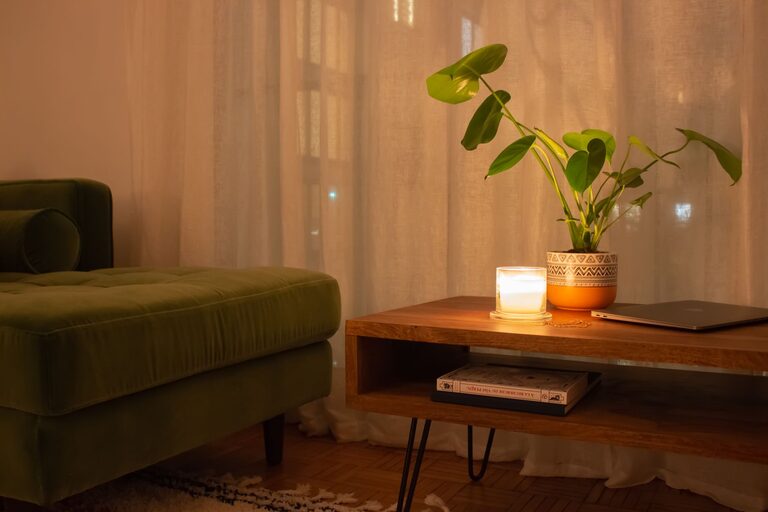
For artificial lighting, opt for warm, soft lights rather than harsh fluorescent bulbs. A desk lamp with adjustable brightness can add flexibility and reduce eye strain, especially during evening work.
Declutter and Organize
A cluttered desk can create a cluttered mind. Keep your workspace tidy to foster a sense of calm. Use organizers, trays, or drawers to store supplies neatly. Regularly clear out unnecessary papers and items to maintain a clean environment.
Consider minimalistic decor to avoid distractions. A few personal touches, like a framed photo or a small plant, can make your space inviting without overwhelming it.
Incorporate Natural Elements
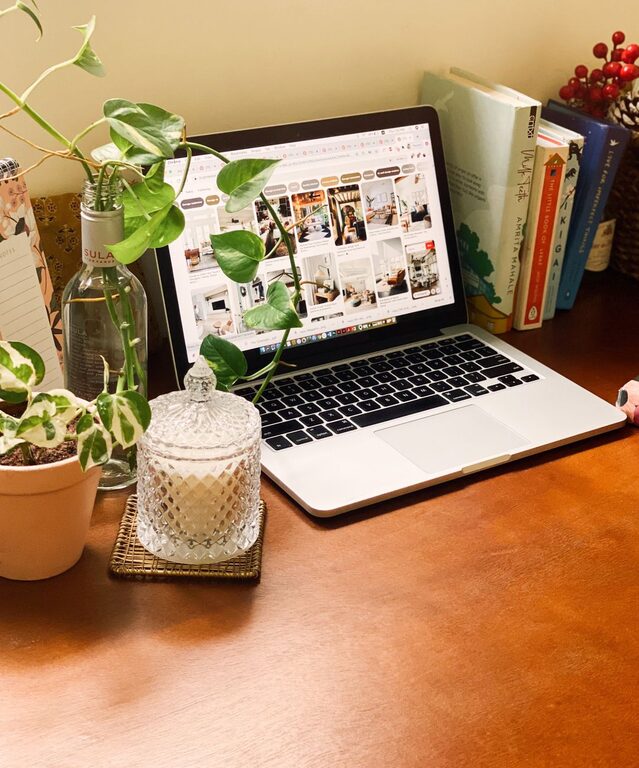
Bringing elements of nature indoors can have a soothing effect. Adding plants to your workspace not only improves air quality but also introduces greenery that reduces stress. Choose low-maintenance plants like succulents, snake plants, or pothos.
If real plants aren’t an option, nature-inspired artwork or decor items made from wood or stone can add tranquillity and a grounding vibe.
Use Colors Wisely
Colors can influence emotions and concentration. Soft, muted colors such as pale blues, greens, or neutrals create a peaceful atmosphere. Avoid overly bright or neon shades that may cause distraction or anxiety.
You can introduce calming colors through wall paint, curtains, rugs, or desk accessories. Keeping a consistent color palette helps your space feel cohesive and serene.
Manage Noise Levels
Sound plays a big role in creating a relaxing environment. If your home is noisy, consider noise-cancelling headphones or playing gentle background music or nature sounds to mask distractions.
White noise machines or apps can also help drown out disruptive sounds and promote concentration. If possible, add soft furnishings like rugs, curtains, or cushions that absorb sound and reduce echoes.
Personalize Your Workspace Thoughtfully
Adding personal items that make you happy can boost your motivation without causing clutter. Choose a few meaningful objects like inspirational quotes, a favorite mug, or artwork to surround yourself with.
Balance personalization with simplicity to keep the space calming. Avoid items that may trigger stress or clutter.
Take Breaks and Move Around
Even the most relaxing office can benefit from your movement. Incorporate short breaks to stretch or walk around to help reduce tension and boost energy levels.
Consider setting a timer or using productivity techniques such as the Pomodoro method to remind yourself to take breaks. A small area for stretching or a standing desk option can also improve comfort throughout the day.
Use Technology Mindfully
Keep your technology setup streamlined and organized. Manage cables with clips or trays to avoid tangles and clutter.
Use apps or tools that help manage your tasks and reduce digital distractions. Turning off non-essential notifications during focused work hours helps create a calm digital environment.
Add Aromatherapy for Extra Calm
If you enjoy scents, adding aromatherapy can help set a relaxing mood. Essential oils like lavender, eucalyptus, or chamomile are known for their calming properties.
You can use a diffuser or scented candles, but be mindful of any allergies or sensitivities in your household.
Final Thoughts
Creating a relaxing home office environment is about balancing comfort, functionality, and personal style. By thoughtfully arranging your space, minimizing distractions, and incorporating calming elements, you can build a workspace that supports both your productivity and your peace of mind.
Start with small changes and adjust as you discover what makes you feel most comfortable and focused. With a little effort, your home office can become a haven where work feels less like a chore and more like a fulfilling experience.
About the Author