
Creating a relaxing home office environment can significantly improve your focus, creativity, and overall well-being. Since many people now spend a lot of time working from home, having a comfortable and calming workspace is more important than ever. Here are some helpful tips to transform your home office into a peaceful and productive retreat.
Choose the Right Location
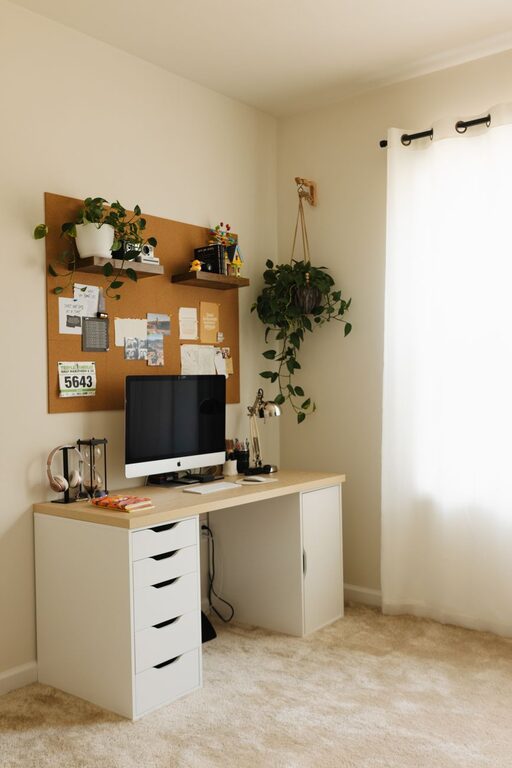
Finding the best spot for your home office is the first step. Ideally, pick a space that is quiet and has minimal distractions. If possible, choose a room with a door you can close to separate your work from home life. If a separate room isn’t available, look for a corner or nook where you can set up your desk.
Consider Natural Light
Natural light has a positive effect on mood and energy. Position your desk near a window to take advantage of daylight. If this isn’t possible, use full-spectrum light bulbs that mimic natural light to reduce eye strain and fatigue.
Invest in Comfortable Furniture
You’ll spend many hours working in your home office, so comfortable, ergonomic furniture is a must.
– Chair: Choose an adjustable chair that supports your lower back and allows your feet to rest flat on the floor.
– Desk: Pick a desk at the right height to keep your arms at a 90-degree angle when typing or writing.
– Accessories: Consider a footrest, monitor stand, or keyboard tray to improve posture and comfort.
Declutter and Organize
A clean workspace helps create a calm atmosphere and reduces stress.
– Use drawers, shelves, and desk organizers to store supplies out of sight.
– Keep only essential items on your desk to avoid distractions.
– Schedule regular tidying sessions to maintain an organized environment.
Personalize Your Space
Adding small personal touches can make your home office feel inviting and reduce stress.
– Hang artwork or photos that inspire you.
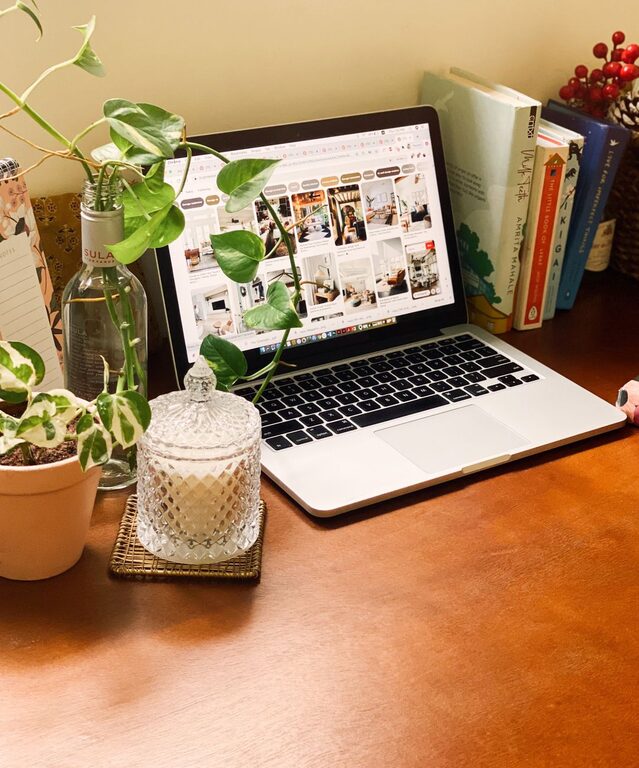
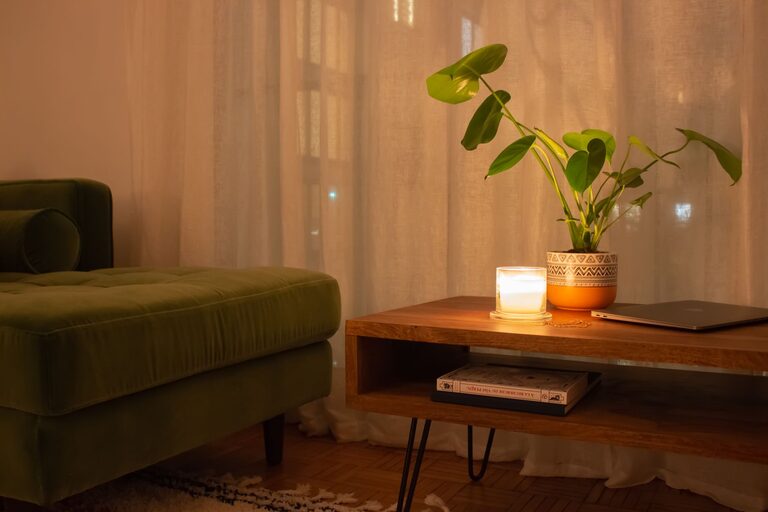
– Place a plant or two to bring nature indoors, which also improves air quality.
– Use soft textures like a cozy rug or cushions to make the space more comfortable.
Manage Noise Levels
Noise can be a big distraction when working from home.
– Use noise-cancelling headphones or play gentle background music to help you concentrate.
– If outside noise is an issue, consider adding thick curtains or rugs to absorb sound.
– Communicate your work hours to others in your home to minimize interruptions.
Control Temperature and Air Quality
Comfortable temperature and fresh air contribute to a relaxing workspace.
– Use a fan, heater, or air conditioner to keep the temperature just right.
– Open windows regularly or use an air purifier to maintain good air quality.
– Avoid placing your desk directly under heating or cooling vents.
Create a Routine and Boundaries
Even the most relaxing workspace can become stressful without good habits.
– Set regular working hours and take breaks to stretch and move.
– Establish boundaries with family or roommates about your workspace and availability.
– Use a “work mode” cue, such as lighting a particular lamp or playing a certain playlist, to signal the start of your workday.
Use Calming Colors
The colors you choose can influence your mood and productivity.
– Soft blues, greens, and neutrals are known for their calming effects.
– Avoid overly bright or intense colors that might cause distraction or anxiety.
– Use color accents like cushions, wall art, or desk accessories to personalize without overwhelming.
Incorporate Technology Thoughtfully
Technology is essential but can also cause clutter or fatigue.
– Use cable organizers to keep cords neat and out of the way.
– Invest in good quality monitors and keyboards that reduce eye and hand strain.
– Set up phone or computer notifications to minimize interruptions.
Add Elements for Mindfulness and Relaxation
Including items that promote calm can make your office feel like a sanctuary.
– Keep a small water fountain or an essential oil diffuser if you enjoy aromatherapy.
– Use a stress ball, fidget tools, or mindful breathing exercises to take quick mental breaks.
– Consider a small meditation or yoga area if your space allows.
—
Creating a relaxing home office doesn’t have to be complicated or costly. By focusing on comfort, organization, and personal touches, you can build a workspace that supports both your productivity and well-being. Try implementing these tips one at a time and enjoy the positive impact on your workday.
About the Author